What You Can (and Can’t) Bring Across the Border:
Rocky Point, Mexico (2026 Update)
When traveling to Rocky Point it’s important you know what items you are allowed to bring into the country.
Doing your research in advance can avoid big sanctions and possibly being detained.
Choose the Right Lane at the Border
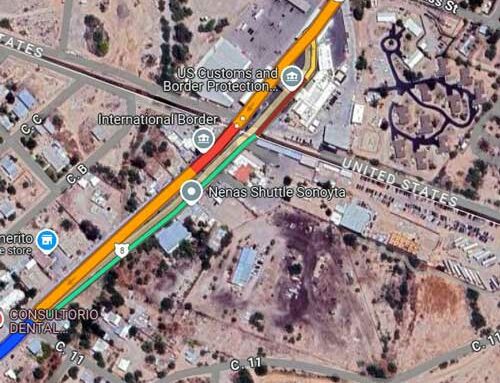
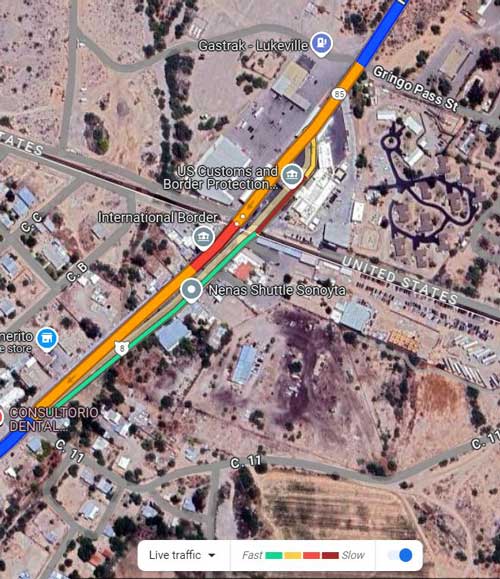
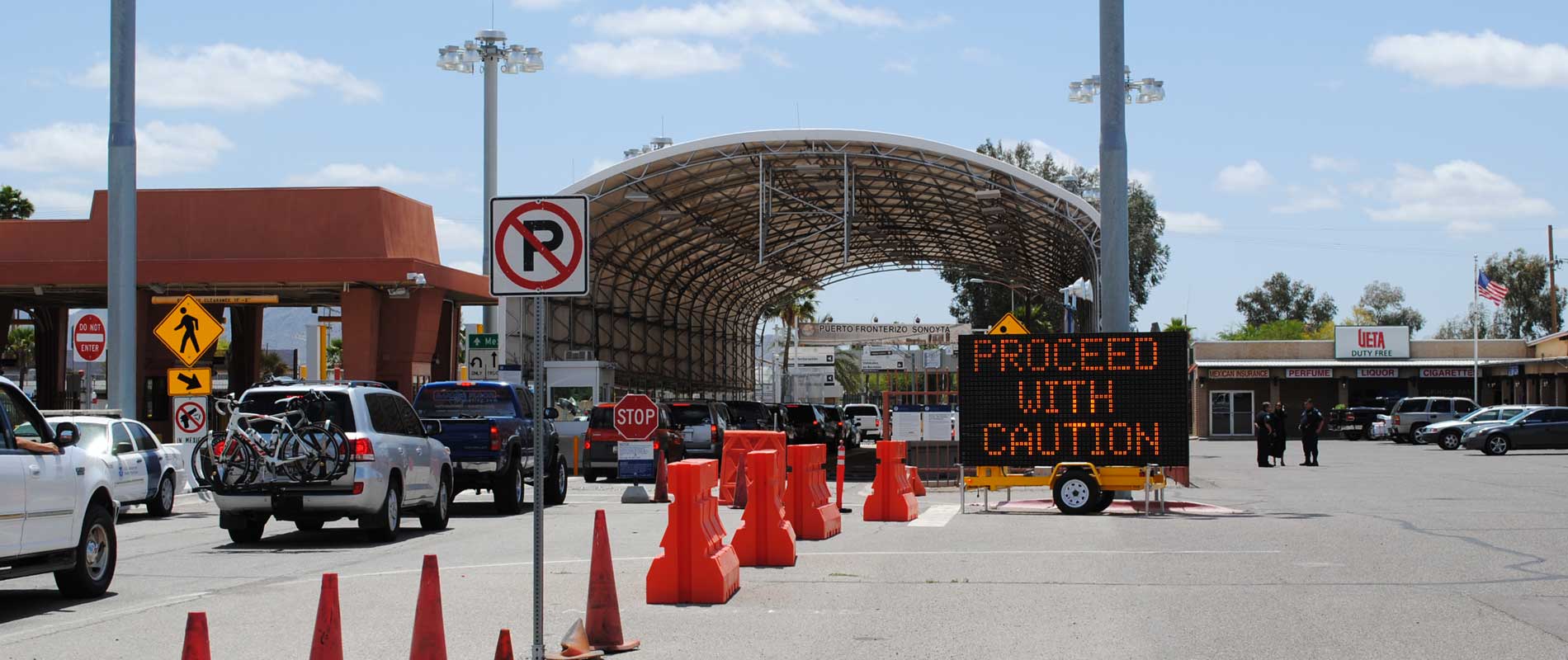
When you reach the Lukeville-Sonoyta border, you’ll need to pick a lane:
Nothing to Declare (Nada que Declarar): Use this lane if you are only bringing personal items (clothing, toiletries, tools) and your new purchases do not exceed the $300 USD per person limit.
The Light System: A traffic light will trigger as you pass. Green means you may proceed (though officers can still pull you over).
Red means you must stop for a secondary inspection and vehicle search.
Self-Declaration Lane (Carril de Declaración): Use this lane if you are carrying items that go beyond personal use, high-value goods (like a new TV or furniture), or any items you intend to donate or sell.
Must-Have Documents
Before anything else, make sure you and your vehicle are ready to cross:
- Passport or passport card
Note: U.S. customs still allows U.S. citizens to re-enter with a birth certificate and ID. - Valid U.S. driver’s license
- Current vehicle registration – Must be valid for the entire duration of your trip.
- Mexican Auto Insurance – Your U.S. policy is not valid in Mexico. You must have a specialized Mexico policy to stay legal. Get your 2026 policy online in minutes HERE.
Traveling With Toys (ATVs, Jet Skis, etc.)?
- You’ll need current registration on anything you tow.
- Expect inspection of all towed units.
- Make sure your paperwork matches your ID.
Driving Someone Else’s Vehicle: If the registration isn’t in your name, you should carry a notarized letter of permission from the owner.
If the vehicle is financed, check with your lender, many require a specific “Travel Permission” letter to cross the border.
Restricted Items: What to Leave at Home – Puerto Penasco
Here’s a list of restricted items you should leave behind:
🚫 Strictly Prohibited (Do Not Bring)
Guns & Ammo: Even a single stray casing in your floor mat can lead to jail time.
Marijuana/CBD: Even with a US medical card, it is 100% illegal to cross the border with it.
Vapes & E-Cigarettes: Strictly banned for import into Mexico.
Biological/Chemical products for animals: No unverified medications or supplements.
Predatory Birds/Exotic Pets: Only dogs and cats are standard; others require intense paperwork.
⚠️ Restricted or Subject to Tax (Limits Apply)
Alcohol: Limit 3L spirits / 6L wine per adult.
Tobacco: Limit 10 packs of cigarettes or 25 cigars.
Merchandise/Donations: Anything new or for sale over $300 USD per person must be declared.
Cash: Over $10,000 USD (or equivalent) must be declared on a specific form.
Spare Tires: Only one spare is allowed per vehicle duty-free.
Drones: Non-citizens are largely restricted from importing/operating drones.
🚫 Food & Agriculture: What Stays in the Cooler
The Mexican Department of Agriculture (SENASICA) is very strict at the land border to prevent pests. If it’s not in a factory-sealed, labeled container, the “Red Light” will likely lead to it being tossed.
Fresh Produce: All fresh fruits and vegetables are prohibited.
Plants & Planting: No dirt, seeds, bulbs, flowers, or live plants of any kind.
Grains & Coffee: Unprocessed grains and unroasted (green) coffee beans are not allowed.
The “Sandwich” Rule: No loose sandwiches, burgers, or home-packed meals containing beef or dairy. Items must be in original, factory-sealed packaging.
Meat & Dairy: Raw or fresh meats (beef, pork, poultry) and fresh cheeses are strictly forbidden.
Cooked Poultry: No fried chicken or home-cooked poultry.
Seafood: Raw or dried crustaceans (shrimp, crab, lobster).
Nuts: Only nuts without the shell are permitted. Nuts with the shell are prohibited.
Pet Food: You are limited to one 50lb bag (22.6kg) of dry dog or cat food per family. It must be in the original bag. All other animal feed (horse, bird, etc.) is prohibited.
Tip: Puerto Penasco has fantastic local markets where you can stock up on fresh produce and authentic Mexican cheese once you arrive. Walmart, Sam’s Club, Aurrera, La Ley and more.
Availability, Photos & Rates
Live Availability, Photos & Condo Rates
Traveling with Pets (Dogs & Cats)
Mexico is very pet-friendly, but the border agents are strictly looking for health safety.
As of 2026, if you are driving from the US or Canada with a dog or cat, you generally do not need a formal health certificate, but you must meet these three requirements:
The Health Check: Upon arrival at the border, a SENASICA official may perform a quick physical “Visual Inspection.” They are looking for signs of infectious diseases, fresh wounds, or “unwelcome guests” like ticks and fleas.
The Treatment Rule: Your pet must be free of internal and external parasites.
Tip: You may want to have a receipt or a note from your vet showing your pet was treated for ticks/fleas within the last 6 months. It’s better to have it and not need it!The Rabies Requirement: Ensure your pet is vaccinated against Rabies and carries a current tag or certificate. (Note: Puppies/Kittens under 3 months are exempt from the vaccine but may still need the visual check).
Tip: Traveling with a “non-traditional” pet? If you’re bringing a bird, ferret, or reptile, the rules are much stricter and require a formal Import Health Certificate.
Stick to the pups and kitties for the easiest crossing!
Allowed Items into Mexico (Duty-Free Guidelines)
What You Can Bring: The “Personal Luggage” Allowance
These items are Tax-Free and do not count toward your $300 limit:
Clothing & Shoes: Reasonable for the length of your trip.
Toiletries: Personal care, beauty products, and a “bridal trousseau” if applicable.
Electronics: Up to 3 cell phones, 2 laptops (or tablets), 2 cameras, and 1 portable printer.
Baby Gear: Strollers, portable cribs, car seats, and walkers.
Health: Blood pressure and glucose monitors, plus personal meds (prescription required for psychotropics).
Sports & Hobbies: 2 sets of personal sports equipment, 4 fishing rods, and 3 surfboards/paddleboards.
Instruments: Up to 2 musical instruments and their accessories.
Tools: One set of hand tools including a drill, pliers, and wrenches in a case.
What Food Can You Bring Into Rocky Point?
Mexican Agriculture (SENASICA) is very strict about protecting their crops.
Rule of thumb: If it’s factory-sealed and labeled, you’re usually safe.
If it’s “loose” or home-packed, it will likely be confiscated.
Allowed (Must be in sealed, original packaging with visible labels):
Dry Goods: Dehydrated fruits/veggies (no seeds), shelled nuts, spices, dry cereal, flour, and roasted coffee.
Dairy: Butter, cream, yogurt, and hard/aged cheeses (like Cheddar or Parmesan).
Baby Food: Powdered/dry milk and baby formula.
Seafood: Canned or vacuum-packed seafood (tuna, sardines), plus calamari, octopus, and seaweed.
Pet Food: One 50lb bag (22.6kg) of dry food per family. Bag must be factory-sealed and contain no beef, pork, goat, or sheep (stick to Chicken or Fish blends).
Alcohol, Tobacco & Cigarettes
As an adult (18+), you have a specific Duty-Free allowance.
Tobacco: 10 packs of cigarettes, OR 25 cigars, OR 200 grams of loose tobacco.
Alcohol: Up to 3 liters of spirits (Hard liquor like Tequila/Vodka) and 6 liters of wine.
The “Tax Trap”: If you bring more than this limit, you cannot use your $300 “Franchise” credit to cover it. You will be charged an import tax on the excess.
Other important information
Self-Declaration (If You’re Bringing Stuff)
If you’re bringing items like new electronics, furniture, or high-value gifts that are not part of your personal luggage:
The Process: After you cross the fence, stay to the left and park in the designated area. Wait for an ANAM (Aduana) officer to assist you.
The Proof: Bring printed receipts. If you don’t have them, the officer will assign a value to your items, which is usually much higher than what you actually paid.
The “Franquicia” (Duty-Free) Limit: * $300 USD per person: This is the standard year-round limit for land travelers.
Charity Items? Read This First
Thinking of donating used clothes or household goods?
The Warning: Unless they are clearly your own personal clothes in your suitcase, they will be taxed heavily.
The Reality: Mexico classifies large bags of used goods as “commercial imports” to protect their local economy. Fines can be high, and items are often confiscated.
Advice: Buy your donation items locally in Mexico to save money and support the community!
Border Crossing Tips:
No Phones Allowed: Using your phone for texting, photos, or calls at the inspection point is strictly forbidden.
Follow Instructions: Be polite, roll down all windows, and answer directly. The most common questions are: “Where are you going?” and “Do you have anything to declare?”
Receipts: Keep a folder with your printed insurance and receipts.